Brushstrokes of Love: The Human Bond Between Mary and Jesus in Italian Church Art
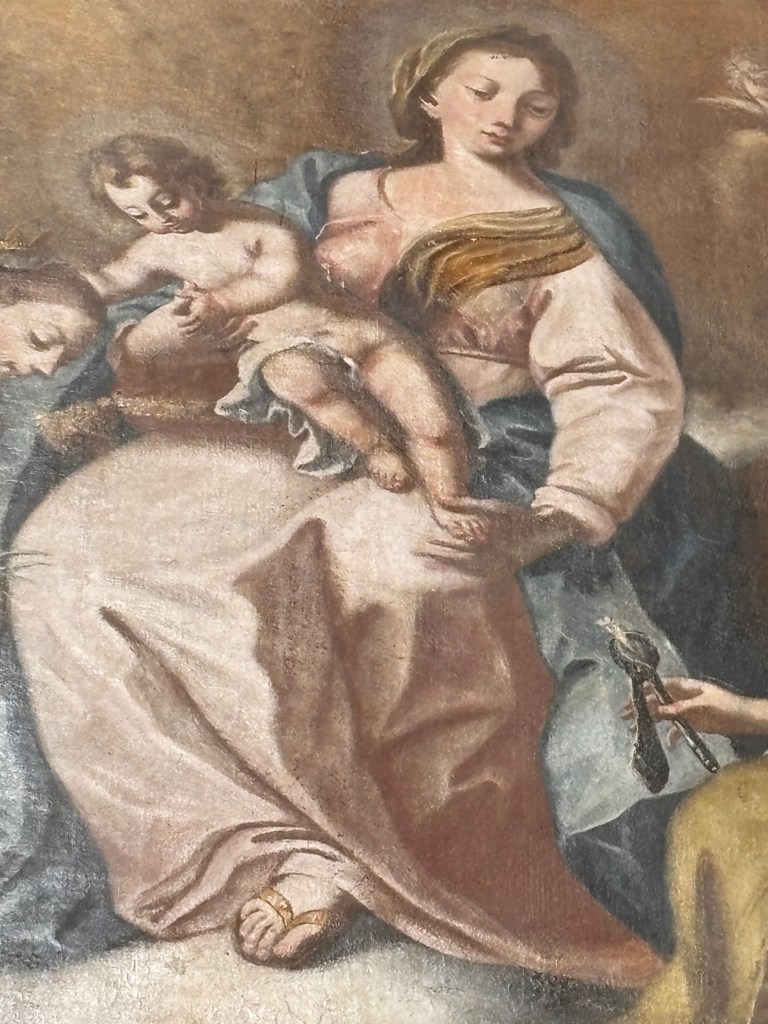
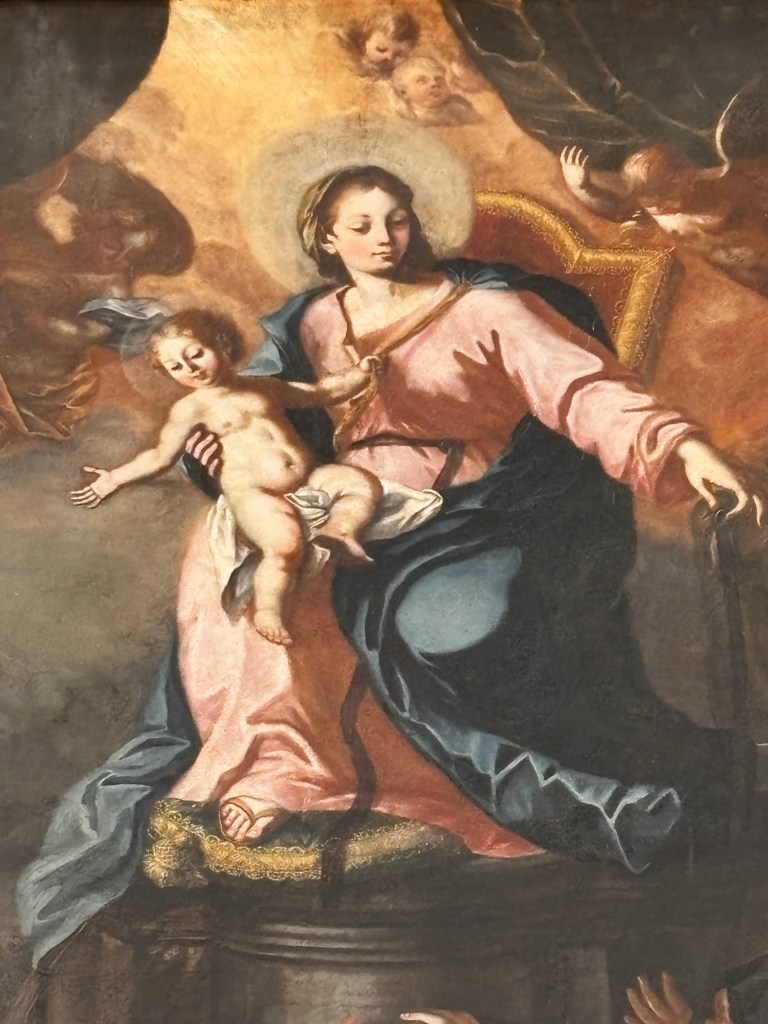
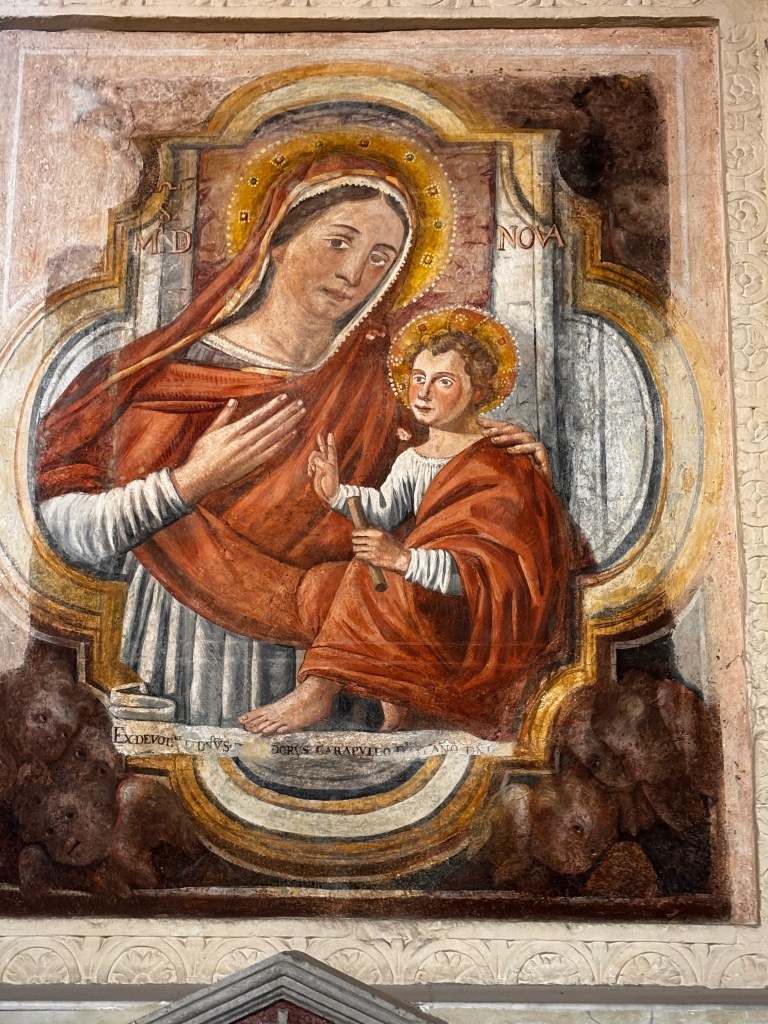
I hadn’t planned any specific theme for my residency period, because I knew one would eventually reveal itself—and it did. When you step into an Italian church, you soon realize that the paintings are not merely religious symbols—they are masterful studies of humanity. The relationship between Mary and the infant Jesus, in particular, is a fascinating subject of observation.
Maternal Tenderness and the Sacredness of Everyday Life
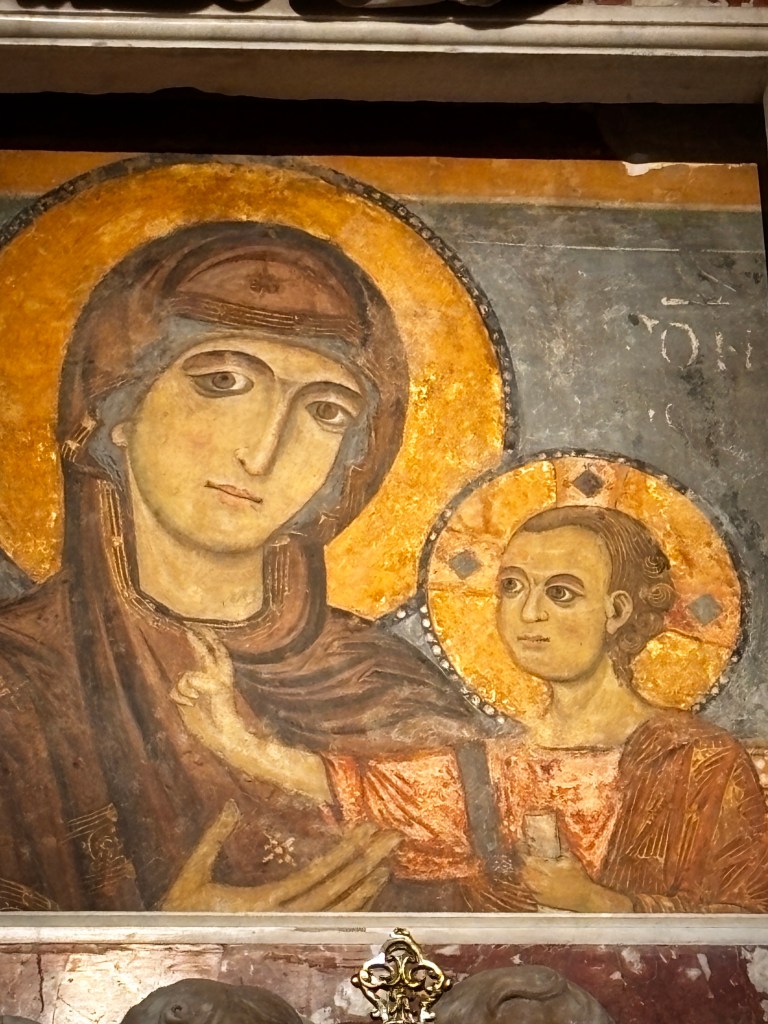
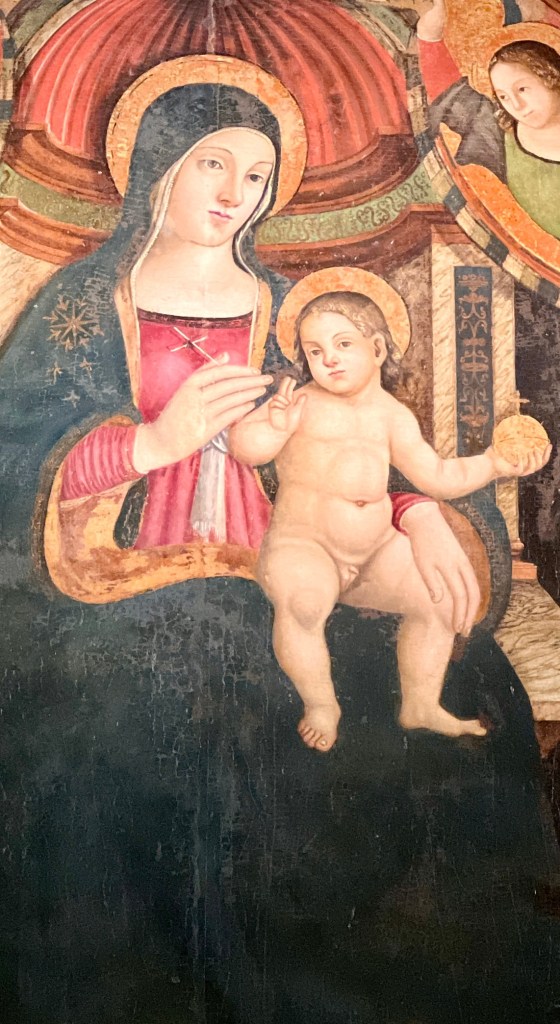
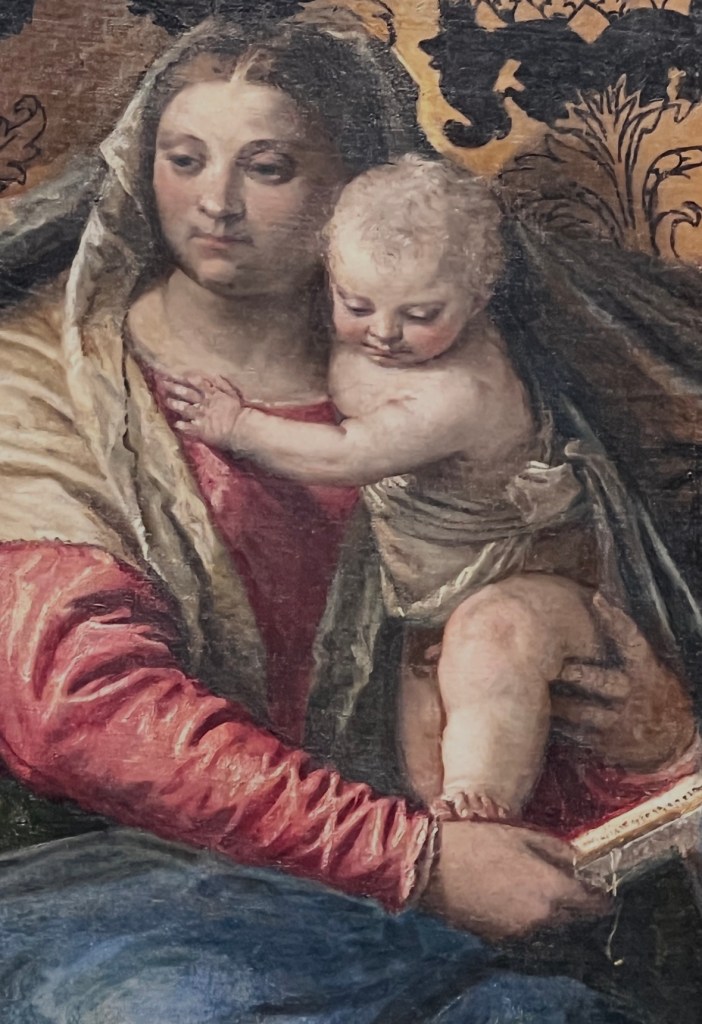
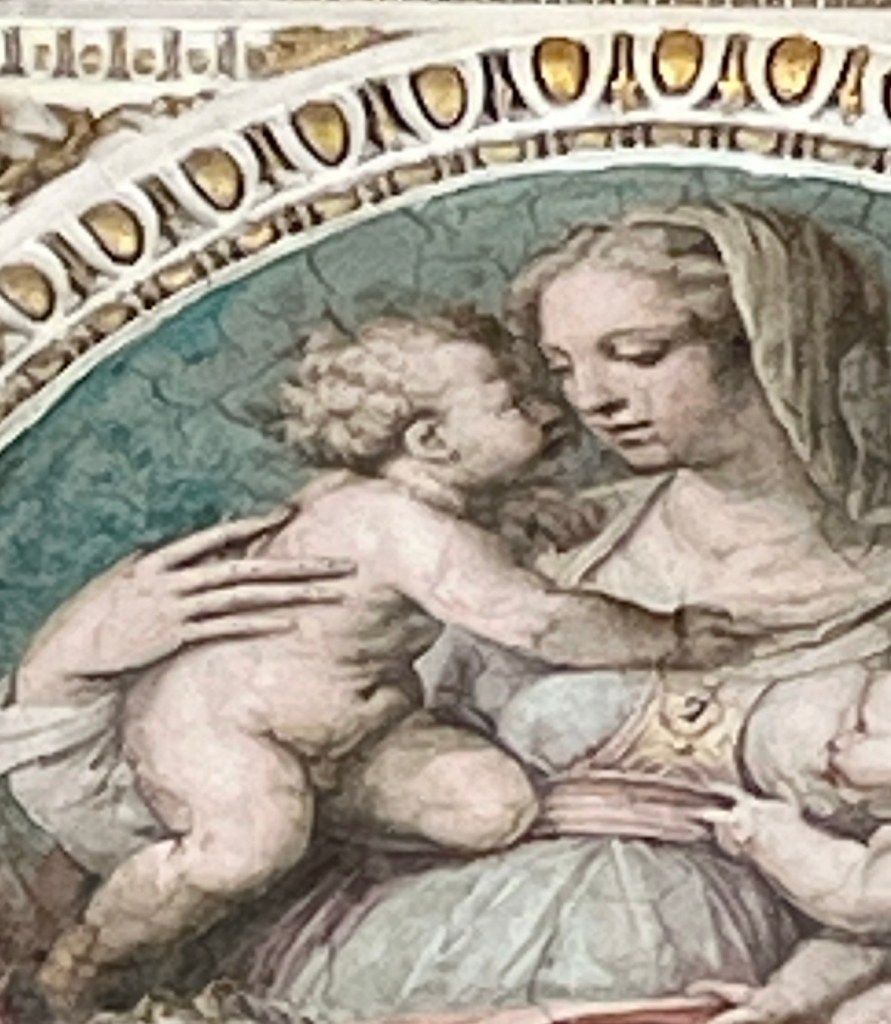
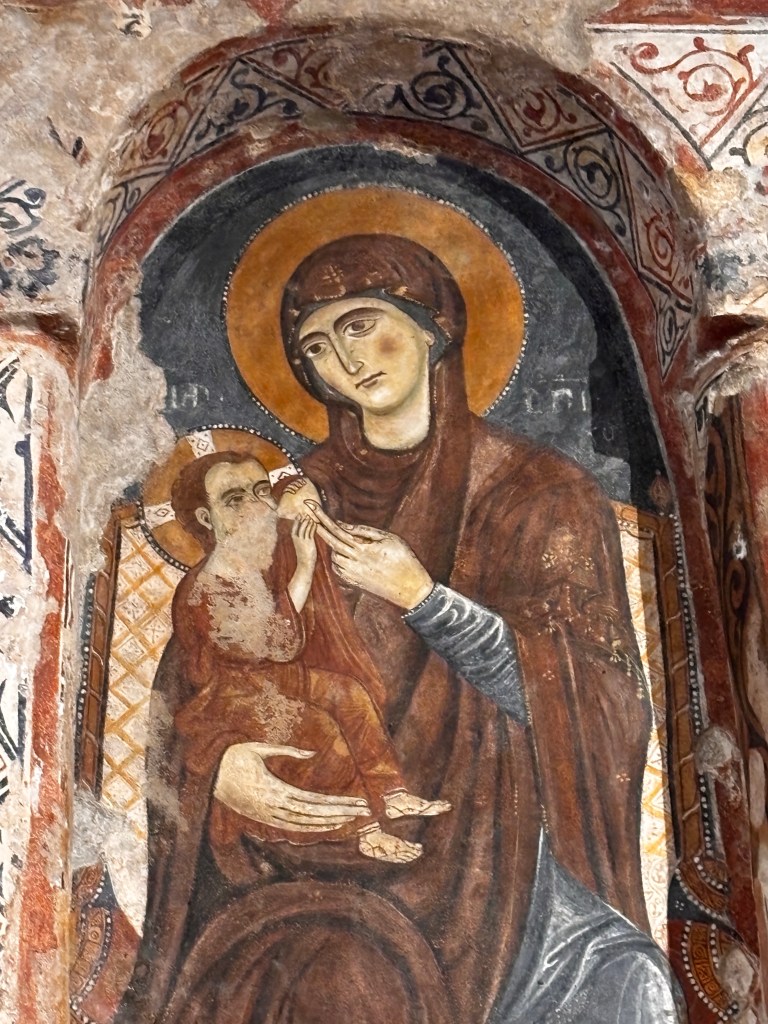
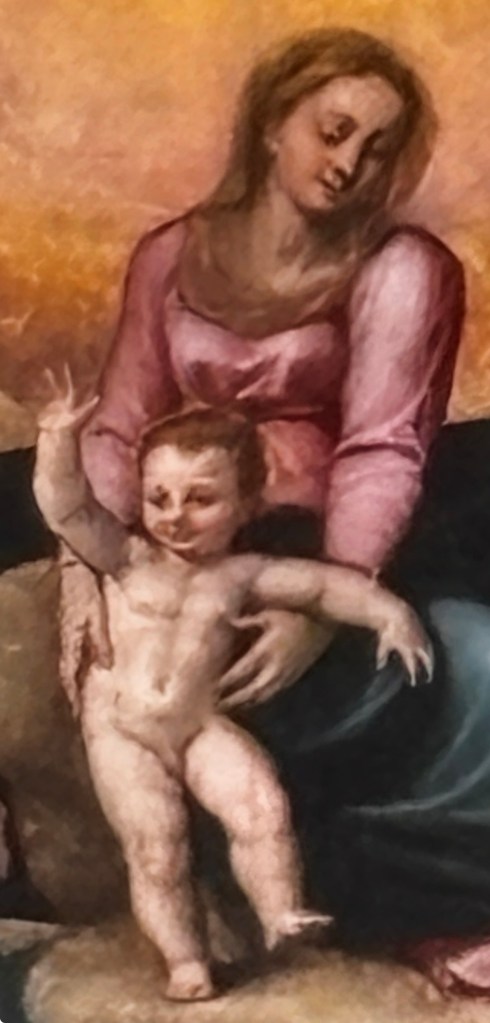
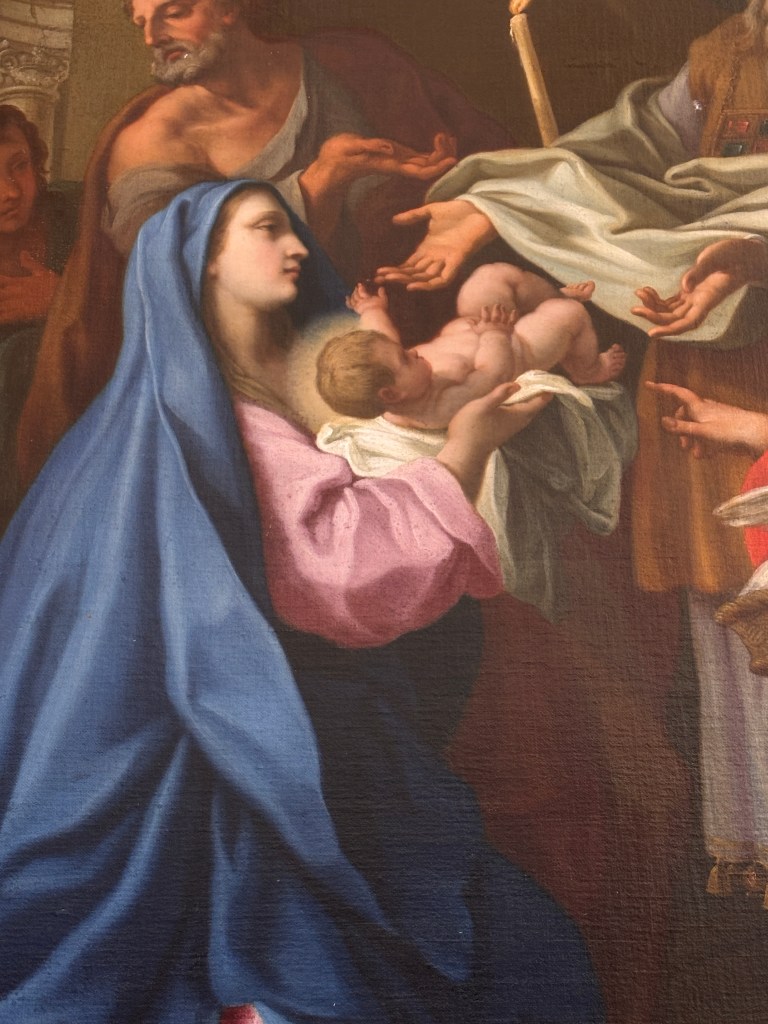
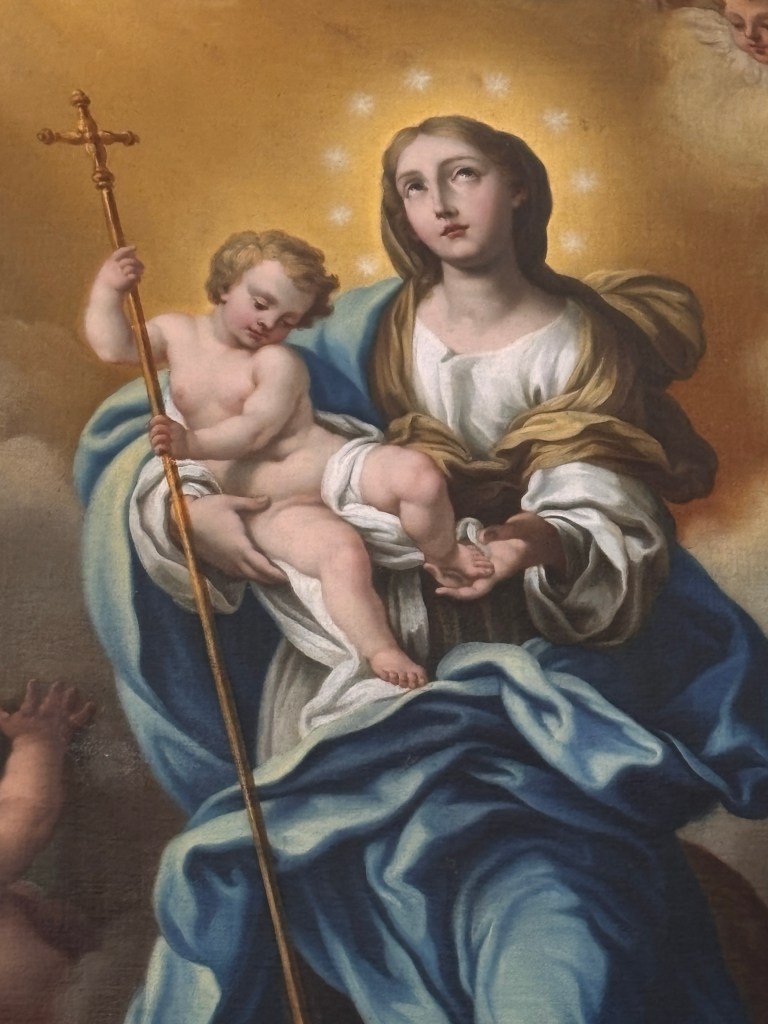
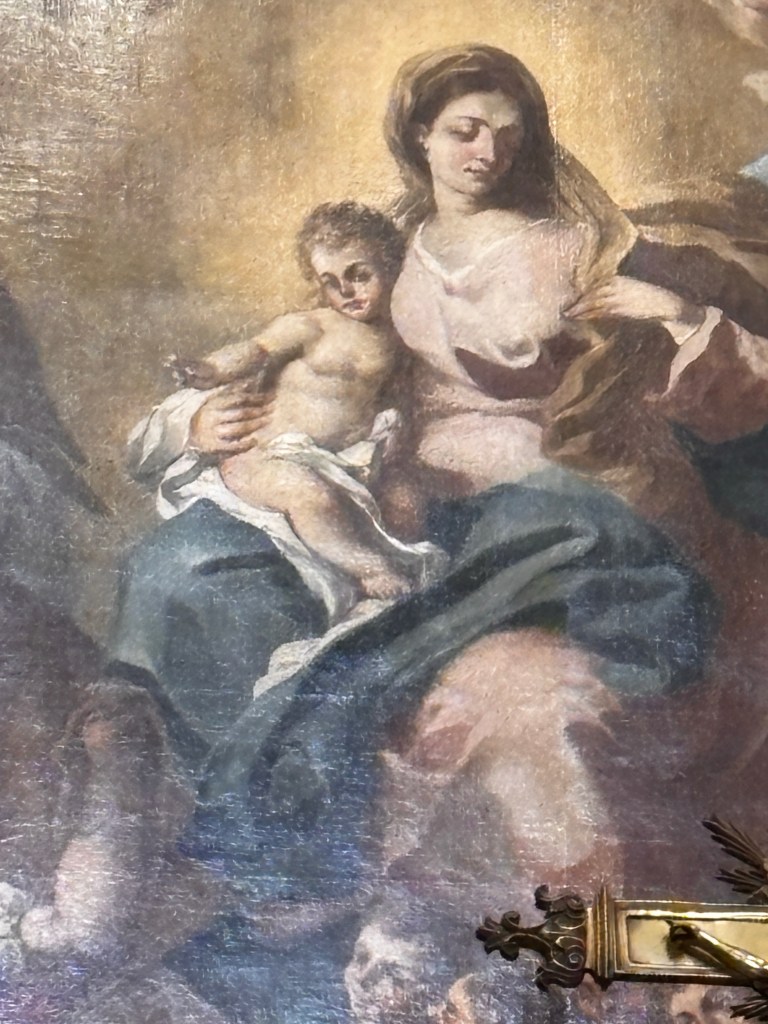
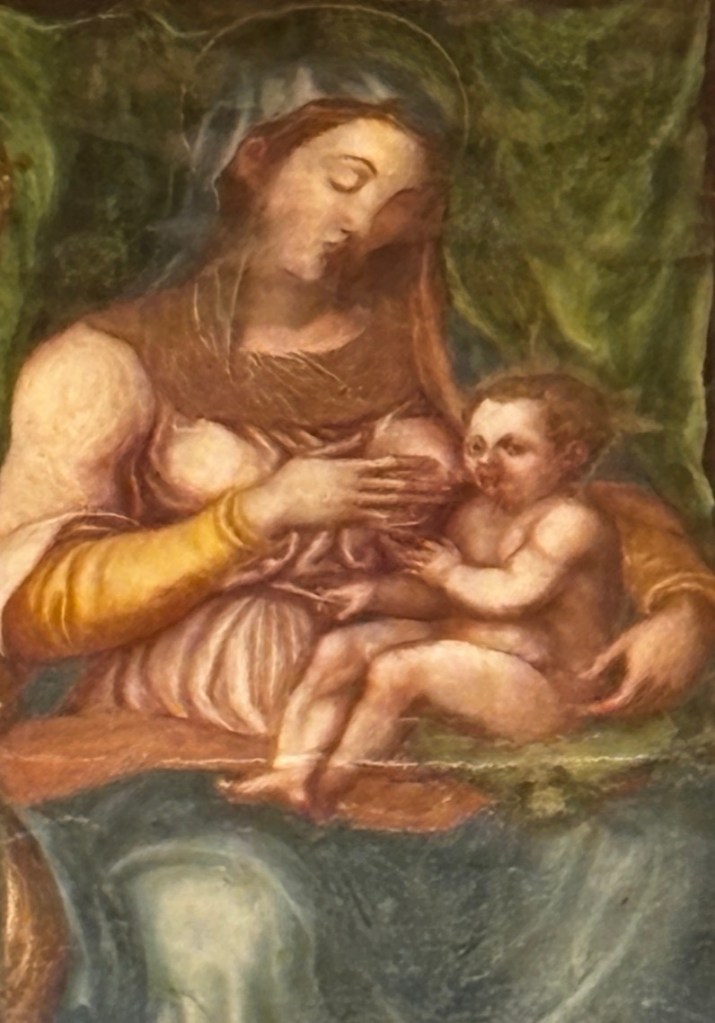
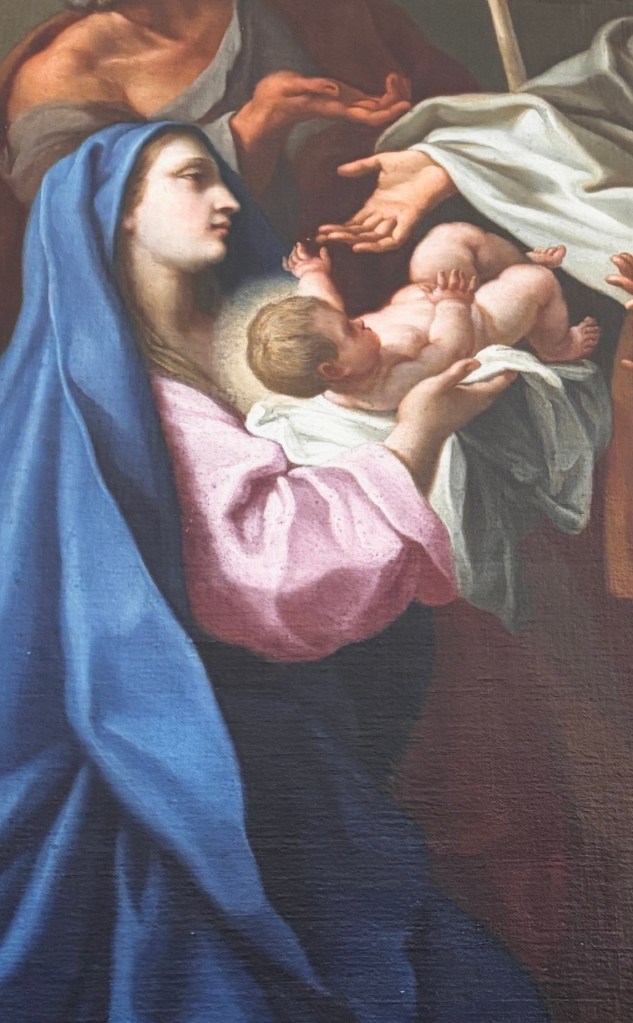
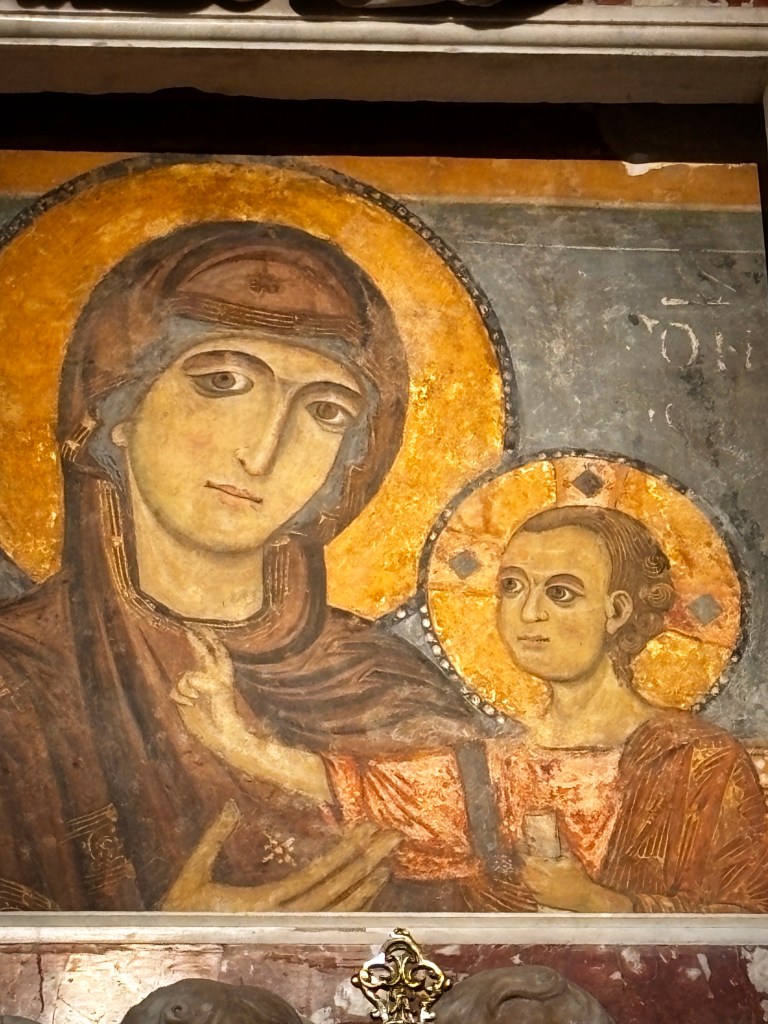
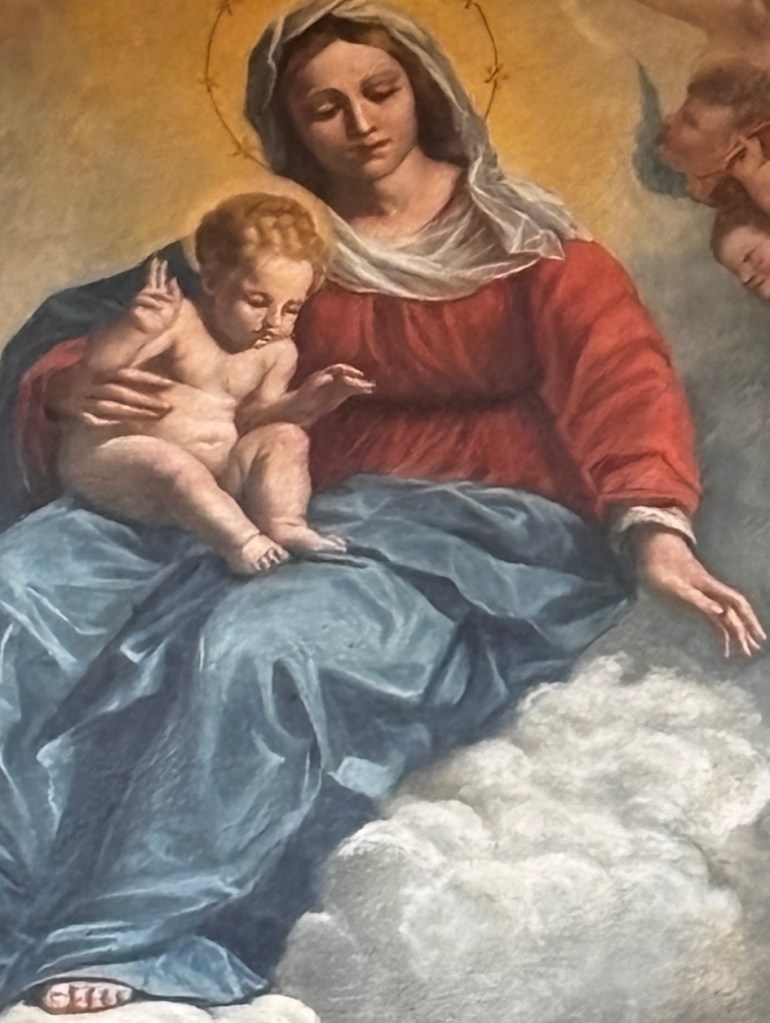
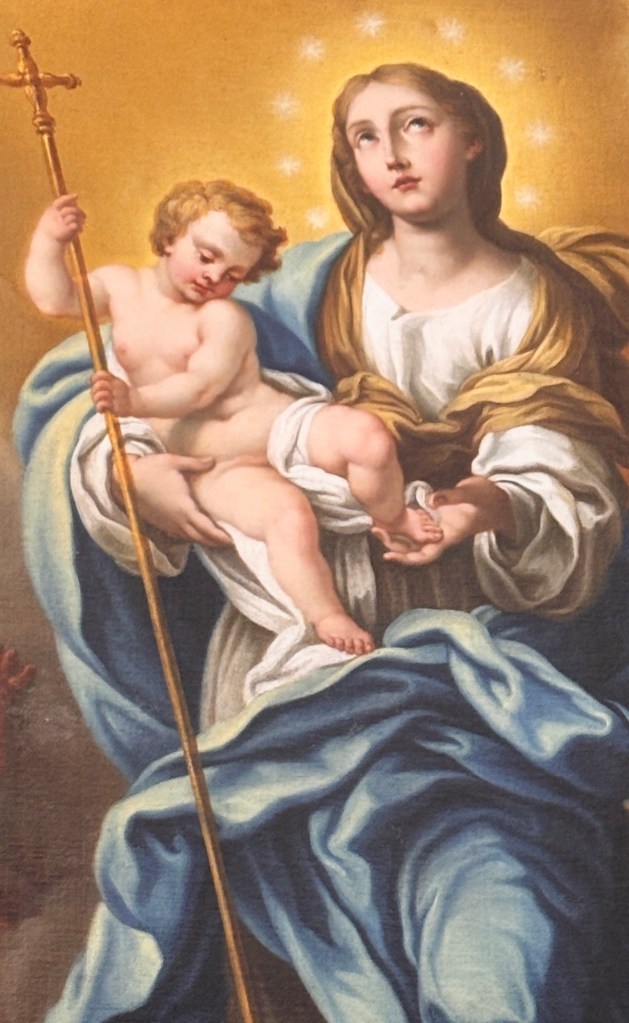
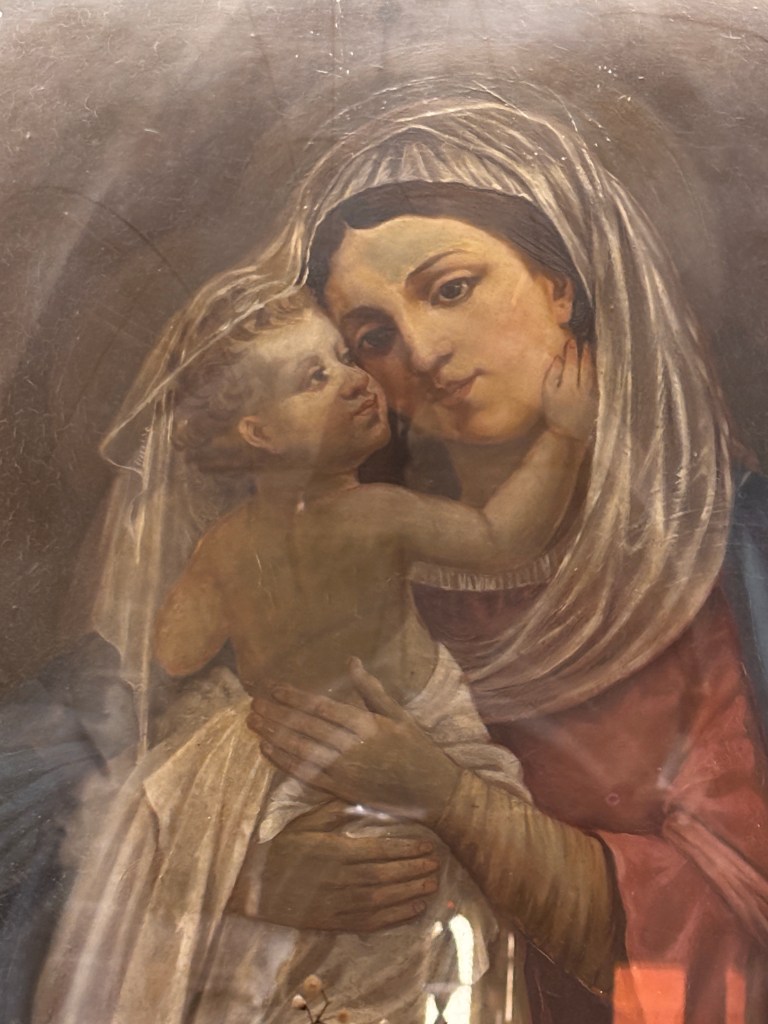
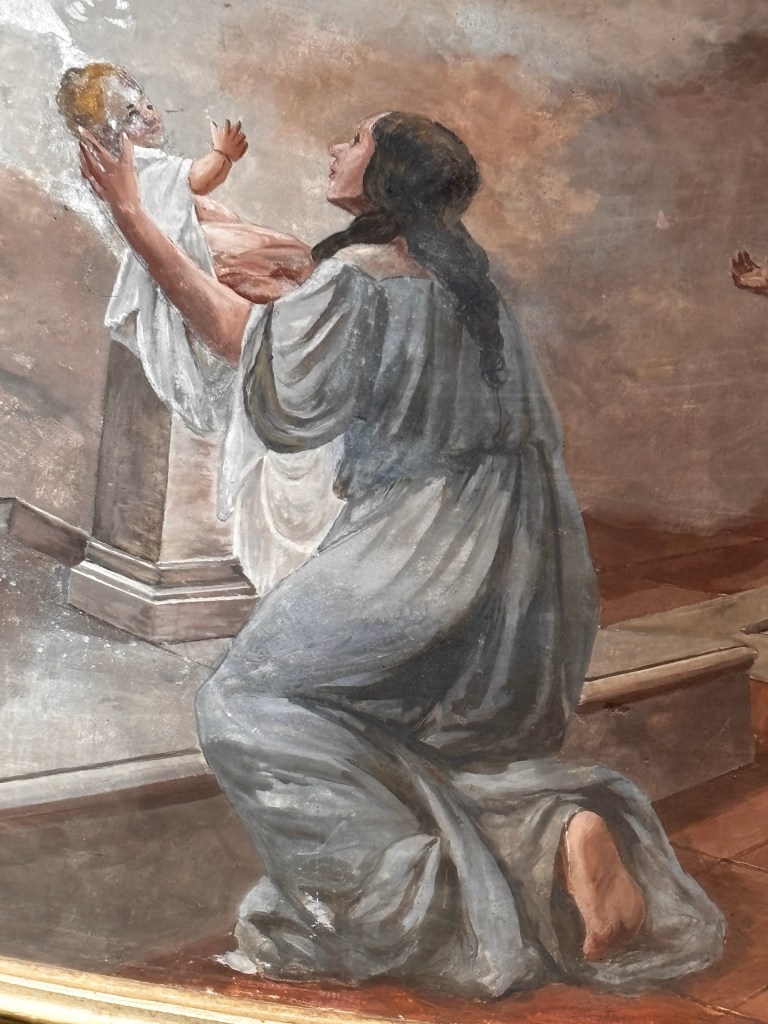
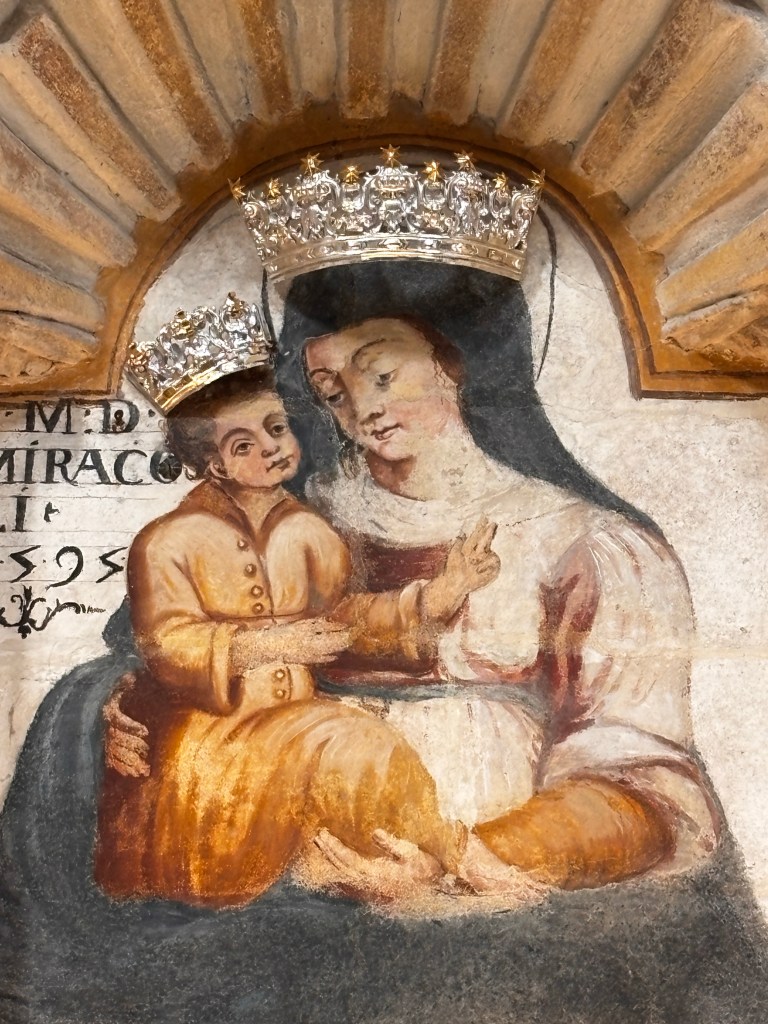
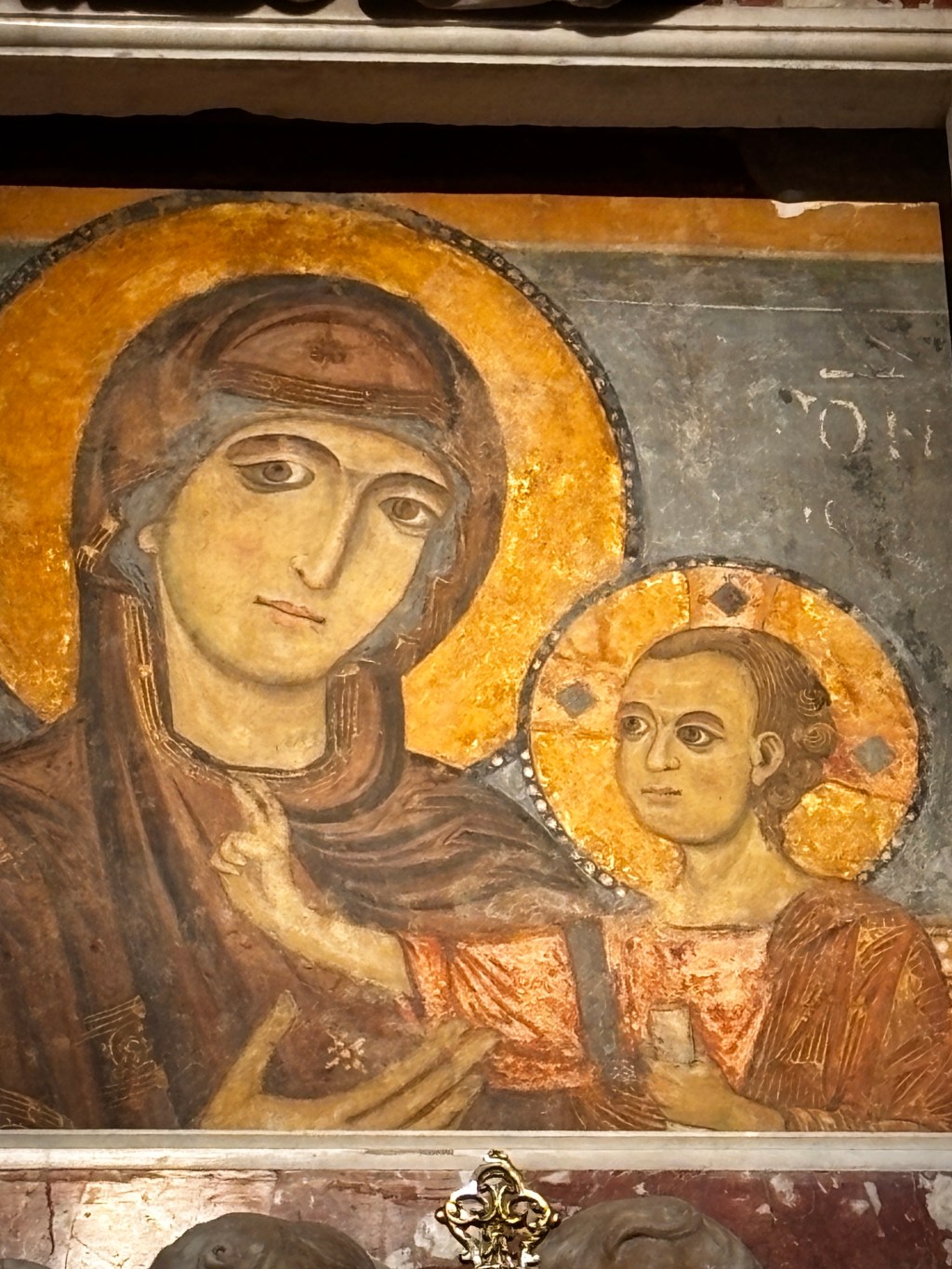
Renaissance masters such as Raphael brought Mary down from her pedestal. She is no longer only the Queen of Heaven, but a gentle mother who strokes her child or breastfeeds him. This emphasizes Jesus’ humanity: he is a real child who playfully grabs his mother’s collar or finger. The physical closeness is direct; unlike in earlier traditions, Mary holds her son with her bare hands, removing the distance between the sacred and the everyday (in some earlier paintings, a cloth appears between their hands to symbolize this distance).
A Gaze That Invites the Viewer
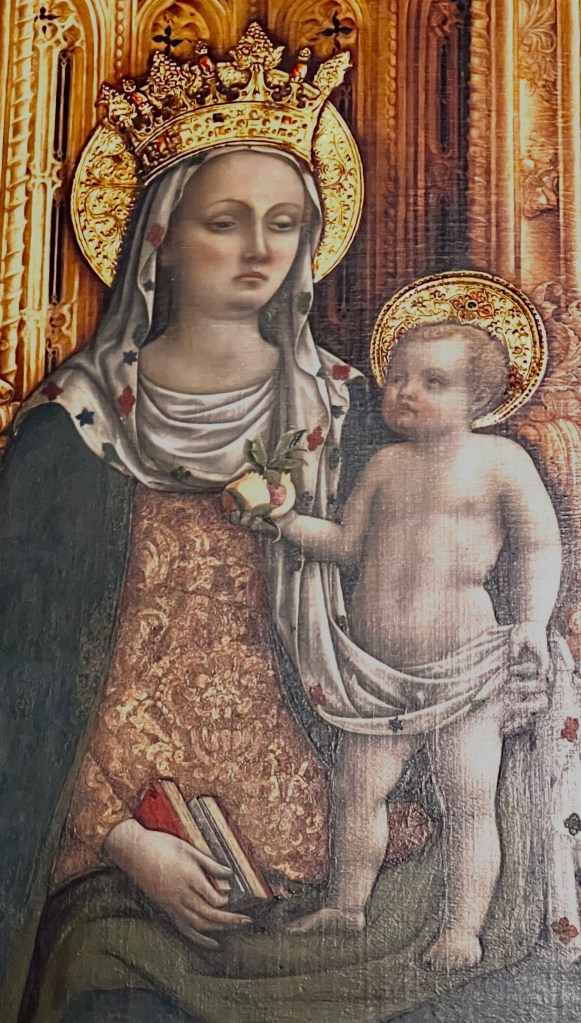
In many works, Mary is not looking at her child but instead turns her gaze directly toward us. This inviting look makes us participants in their relationship—as if Mary were asking for our compassion for her son’s fate. In some Madonna paintings, a subtle melancholy flickers in Mary’s eyes. Small symbols, such as a thistle or a pomegranate, hint at the suffering to come even amid the games of childhood.
Pietà – The Climax of Sorrow
This human arc culminates in the Pietà motif. In depictions by Michelangelo and other masters, Mary holds her dead son in her lap. There is no dramatic scream on her face—only a quiet, almost broken grief. It transforms a divine tragedy into something every viewer can understand.
In Italian art, faith is therefore not only doctrine—it is an experience of emotion. These paintings made biblical figures more approachable: they became flesh and blood, loving and suffering human beings.




 Materaresidency